

Testosterone, often considered a male hormone, plays a significant role in various bodily functions beyond just reproductive health. One of its critical responsibilities is influencing fat metabolism. This article explores how testosterone affects fat storage and utilization, providing insight into its importance for both men and women.
If you want to achieve maximum results from training, check out the range at https://anastrozoleonline.com/.
The Role of Testosterone in Fat Metabolism
Testosterone supports fat metabolism through several mechanisms:
- Increased Lipolysis: Testosterone promotes the breakdown of fats in adipose tissues, contributing to reduced body fat.
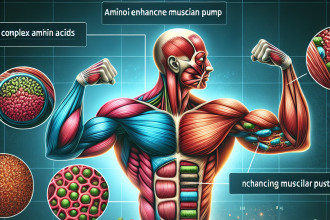
- Enhanced Muscle Mass: Higher levels of testosterone lead to increased muscle mass, which can elevate the basal metabolic rate (BMR). More muscle means more calories burned, even at rest.
- Influence on Insulin Sensitivity: Testosterone helps improve insulin sensitivity, which is essential for regulating blood sugar levels and can prevent fat storage.
- Regulation of Appetite: Testosterone can also impact appetite-regulating hormones, helping to control cravings and promote a healthy dietary balance.
Effects of Low Testosterone on Fat Metabolism
Low testosterone levels can lead to several metabolic issues, including:
- Increased Body Fat: A decline in testosterone is associated with increased body fat, particularly around the abdomen.
- Decreased Muscle Mass: Without sufficient testosterone, individuals may experience muscle loss, further reducing metabolic rate and leading to fat accumulation.
- Insulin Resistance: Low testosterone can lead to insulin resistance, creating a vicious cycle of fat storage and weight gain.
Conclusion
Testosterone plays a crucial role in fat metabolism and overall body composition. Maintaining healthy testosterone levels through regular exercise, a balanced diet, and proper management of stress can support an effective metabolic rate and promote fat loss. Understanding the significance of testosterone can empower individuals to make informed decisions about their health and fitness journeys.