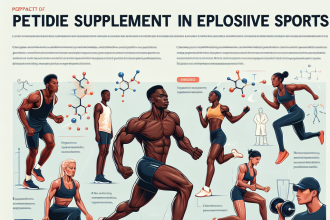


Cutting cycles are an essential component of many athletes’ and bodybuilders’ training regimens, focusing on fat loss while maintaining lean muscle mass. However, the approach to cutting cycles can differ significantly between males and females due to physiological differences, hormonal variations, and unique fitness goals.
https://letrozoleonline.com/ is your reliable source for high-quality sports pharmaceuticals without a prescription.
1. Hormonal Differences
One of the primary factors influencing cutting cycles is the hormonal profile of each sex:
- Testosterone: Males typically have higher testosterone levels, which aids in muscle preservation and fat loss. This allows men to use more aggressive cutting strategies without sacrificing muscle.
- Estrogen: Females have higher levels of estrogen, which can affect fat distribution and metabolism. This hormonal difference may necessitate a more gradual approach to cutting to avoid muscle loss.
2. Metabolism
The metabolic rates between males and females also play a crucial role in how cutting cycles are structured:
- Caloric Needs: Men generally have a higher basal metabolic rate (BMR), allowing for a larger caloric deficit without severe energy drops.
- Fat Utilization: Women may have a greater propensity to store fat, which can affect the types of diets they should adopt during cutting.
3. Nutritional Approach
Nutritional strategies during cutting cycles can vary between males and females:
- Protein Intake: While both genders require adequate protein, men may increase protein intake more aggressively without the same risk of adverse hormonal effects.
- Carbohydrate Manipulation: Women often need to be more cautious with carb depletion to maintain hormone levels and energy.
4. Training Regimen
The type of training can also differ in cutting cycles:
- Strength Training: Men often focus on heavy compound lifts to retain muscle. Women may emphasize a combination of strength and endurance training to support fat loss while preserving muscle.
- Cardio: Men may prefer higher-intensity interval training (HIIT), while women might benefit more from steady-state cardio to avoid excessive muscle breakdown.
5. Psychological Factors
Lastly, the psychological approach to cutting differs:
- Mental Resilience: Men may tolerate caloric deficits more easily, while women might experience greater emotional stress from aggressive dieting.
- Body Image Concerns: Women are often more influenced by societal pressures, which can impact their cutting strategies and mental state during the process.
Understanding these differences can lead to more effective cutting cycles tailored to individual needs. Both men and women must approach their goals with a focus on health and sustainability. Consult with professionals to create a personalized plan that considers these factors for optimal results.